Restoration FAQ
18 questions answered by NSW's only Bona Premier Dealer.
Restoration (18)
Can old damaged timber floors be restored?
Almost always yes. Deep scratches, stains, even water damage can usually be sanded back to clean timber. The only time you genuinely need to replace is when boards are cupped, split through, or rotten underneath. A decent contractor will tell you honestly.
What's the difference between a recoat and a full sand?
A recoat (overcoat) is a light scuff of the existing finish and a fresh topcoat on top. Quick, affordable, extends the life by years. A full sand strips everything back to bare timber and starts fresh. You only need a full sand when the existing finish is too far gone for a recoat to stick.
Can you sand engineered timber floors?
Depends on the wear layer thickness. Most engineered boards have a 3-6mm timber veneer on top of plywood. A 3mm layer allows 1-2 sands max. 6mm allows more. Your contractor needs to know the wear layer before touching it.
How many times can a timber floor be sanded?
Most solid hardwood floors can handle 3-4 full sands in their lifetime, depending on the board thickness and how much was taken off each time. After that, you're getting close to the tongue-and-groove joint and the boards become too thin. Maintenance recoats (light scuff + fresh topcoat) don't count -- those barely remove any timber.
Can you sand parquetry floors?
Yes, but it takes more skill. The grain changes direction at every block, so the sander has to work differently. Edge work is critical because parquetry has more edges per square metre than strip flooring. Make sure your contractor has done parquetry before.
Can water-damaged floors be fixed?
Depends on how bad. Surface water marks in the coating can often be sanded out. Boards that have cupped (curled up at the edges) sometimes flatten once they dry out, then can be sanded. Boards that are black, rotten, or permanently warped need replacing.
What should I expect from a timber floor colour repair?
Don't expect perfection -- measure the result by how well the repair blends in, not whether it's invisible. Complex repairs involving whole boards or aged finish removal take real skill. That means isolating the repair to board edges and building colour samples. A professional floor sander with repair experience is the right person for this kind of work.
Are heritage timber floors making a comeback?
Yes. Geometric parquetry patterns like herringbone, chevron, and basket weave are back in a big way. Warm tones are what people want -- walnut, oak, honey gold. The grey and cold tones are fading out in favour of wood's natural character. If you're restoring or installing heritage parquetry, talk to a professional floor sander who specialises in it.
What are the key steps to restoring a heritage timber floor?
Six key steps: thoroughly assess moisture and sub-floor ventilation first. Let the timber acclimatise. Preserve original material wherever you can. Improve substructure and moisture control. Choose breathable coatings like natural oils. Set up an ongoing maintenance regime. A professional floor sander who knows heritage work will follow all of these.
What should I consider for parquetry floors in humid climates?
Use tighter patterns in humid climates to allow for expansion. Respect the transitions between old and new sections. Think carefully about underfloor insulation or heating. In coastal areas, you need improved drainage and adequate acclimatisation periods -- don't rush it. A professional floor sander with parquetry experience knows how to handle different climate zones.
How do you replace a single damaged floorboard?
Find the nails at each joist past the damaged area. Mark your cut lines 1-2mm inside the nail holes. Use a track-type saw set 1mm deeper than the board, finish with a Fein-type tool, and cut diagonal X lines so you can remove smaller pieces. The replacement board goes in with a modified tongue and groove, reinforced with a noggin, and secured with adhesive. It's precise work -- a professional floor sander does single-board replacements all the time.
How do you fit a replacement floorboard into an existing floor?
Sand or shave the tongue of the replacement piece so it slides in easier, and remove the lower part of the groove side plus a little more. Glue all connection points using PVA cross-linked or polyurethane adhesive, tap it into place using a piece of flooring under the hammer head to protect the edge, and top nail to secure it. A professional floor sander has the tools and technique for a seamless board replacement.
What reinforcement is needed when replacing a floorboard?
Install a noggin of pine or similar framing timber (90 x 35mm), glued and screwed between the joists to support the replacement board. Alternatively, glue and screw another piece of flooring to the underside of adjacent boards for support. Either way, you need that structural backing -- a professional floor sander makes sure of it on every board replacement.
What is a floor polish or rejuvenation service?
Polish and rejuvenation services are suited to prefinished engineered oak with poor coating, floating floors that are too risky for a full coating job, rental apartments and commercial spaces where you need minimal downtime, and bond recovery situations. Equipment includes buffing machines with brush attachments and wet/dry vacuums. It's a cost-effective alternative to full sanding and coating when the floor doesn't need the full treatment.
How do you replace a damaged floorboard without face nails?
Start by using a magnet to find existing nails and mark their positions. Cut out the damaged board with a multi-tool or track saw, chisel out the remaining pieces, and cut the bottom of the groove off the replacement board so it can fit. Then glue timber support pieces under the tongue side, apply adhesive to the joists, drop the board in place, and apply weight until the glue cures. Done right, you get a seamless replacement with no visible face fixings.
What are the most recommended coating types for heritage floor restoration?
Breathable coatings and natural oils are the go-to for heritage floor restoration because they let the timber breathe and manage moisture naturally. Low-VOC oil finishes are especially well suited to heritage parquetry and older timber floors. A professional floor sander picks environmentally appropriate finishes that won't fight against what the old timber needs.
How should drainage be improved for coastal heritage floors?
Sorting out drainage around coastal heritage buildings is important for managing salt air, humidity, and water getting in -- all of which can wreck heritage timber floors. That means fixing gutters, managing leaks, and making sure there's enough subfloor ventilation to deal with salt damp and rising groundwater. A professional floor sander addresses these moisture sources as part of every heritage floor restoration project.
Can you sand back an old polyurethane floor instead of replacing it?
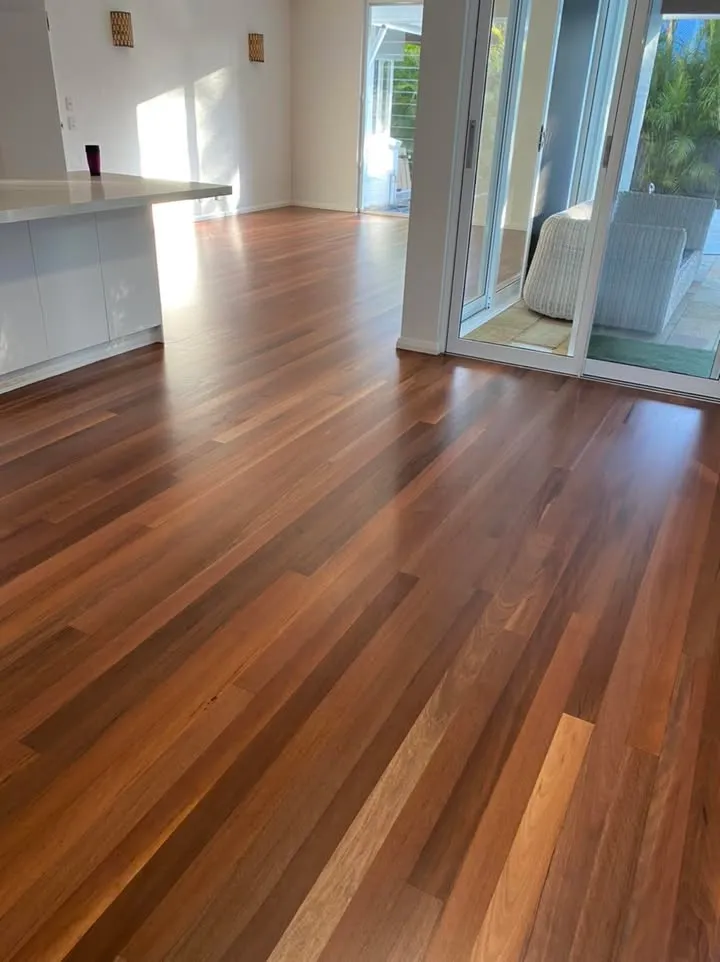 Almost always. Unless the boards are physically damaged or rotten, sanding back removes the old coating and any surface damage. 20-year-old floors come up looking new. A belt sander takes off the old poly, then you work through the grit sequence (typically P40 to P100) and recoat. Cheaper and faster than replacing, and the original timber usually has more character than new boards.
Still have a question?
Ring Brad. 24 years of Bona experience. Straight answer, no runaround.
Call 1300 950 551